
What we do, and why it matters
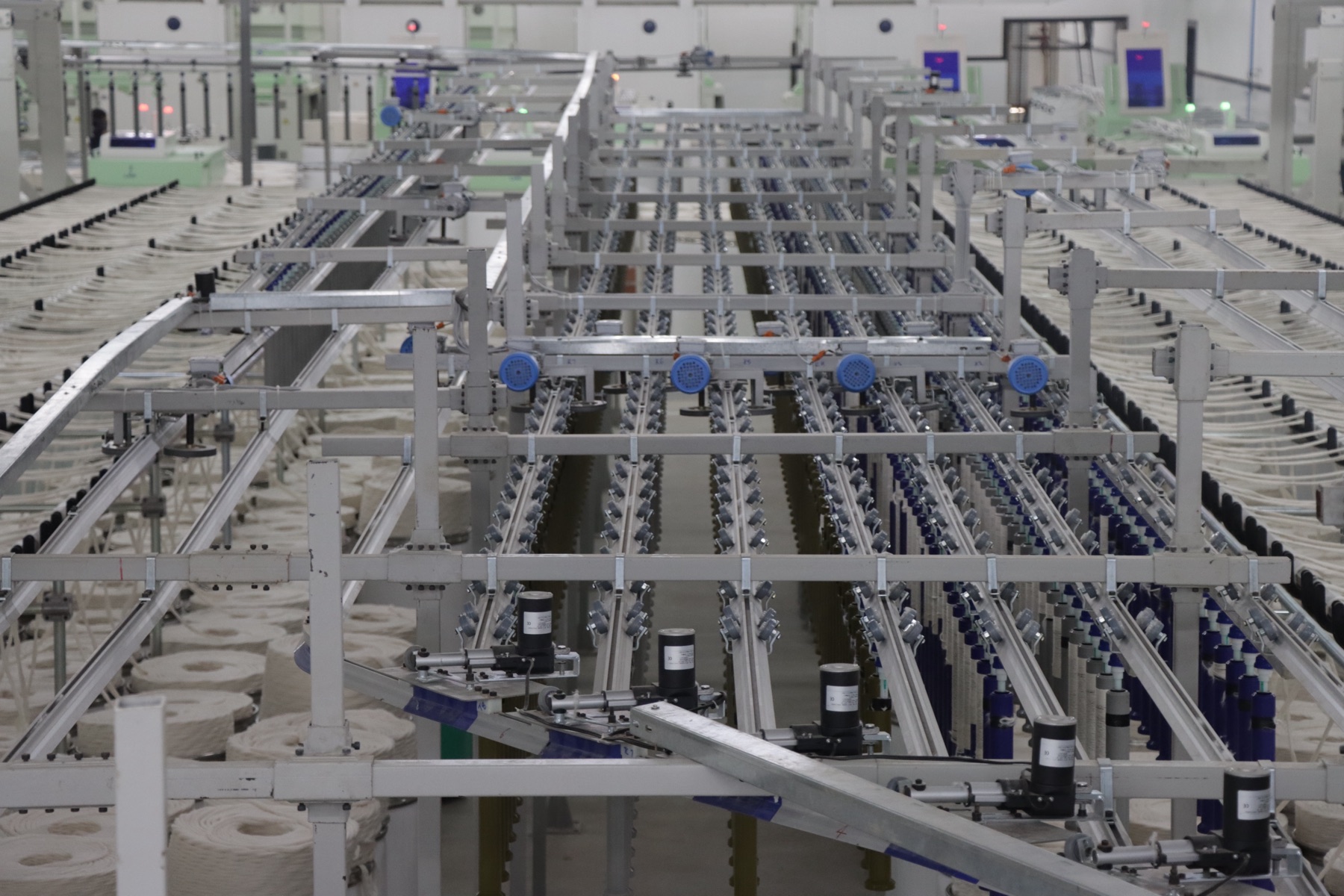
We build intelligent material handling for spinning mills. At the core is the Roving Transport System, an overhead network that moves full bobbins from Speed Frames to Ring Frame creels and returns the empties, with no worker carrying a bobbin.
Around it we now handle more of the floor, from the roving stage through to finished cones. The gain is not only productivity. When material travels by hand it gets contaminated, dropped and mixed between counts, and a single misplaced bobbin can spoil a batch. Automating that path removes the risk.
You will be dealing with engineers.
inno-spin is run by the engineers who design and commission the systems. When you raise a question about your mill, it reaches someone who has solved that exact problem on a floor, not a call centre.
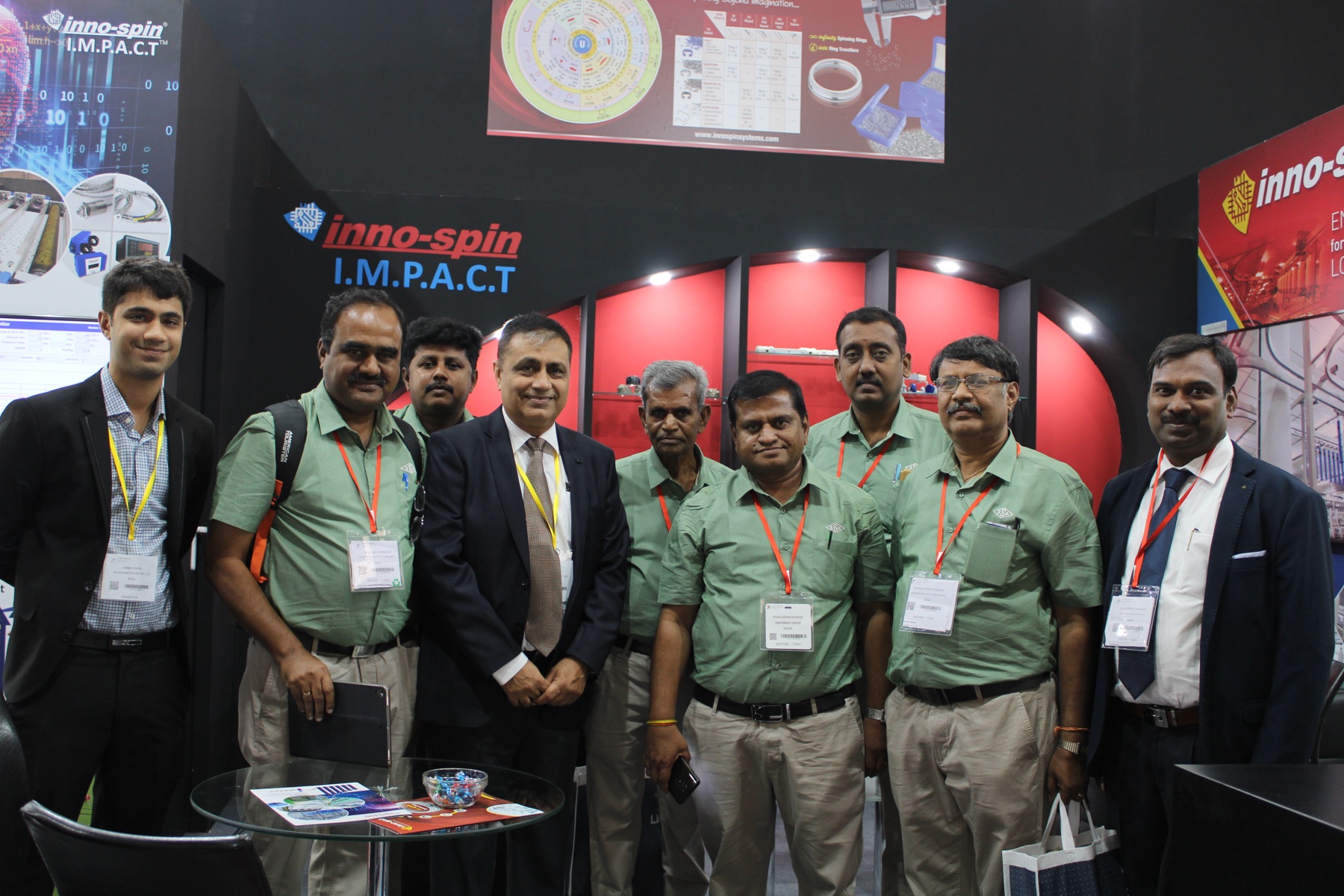
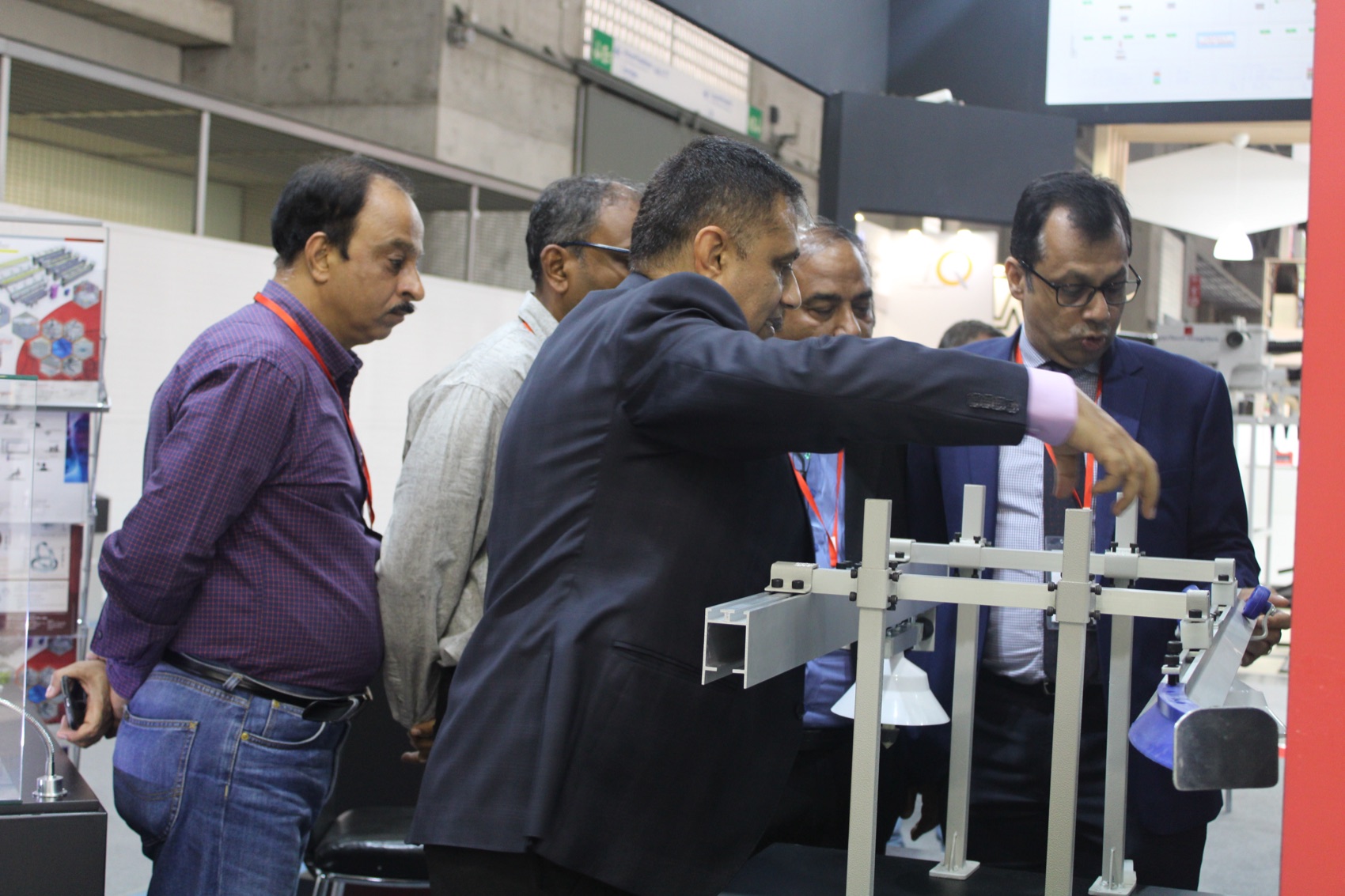
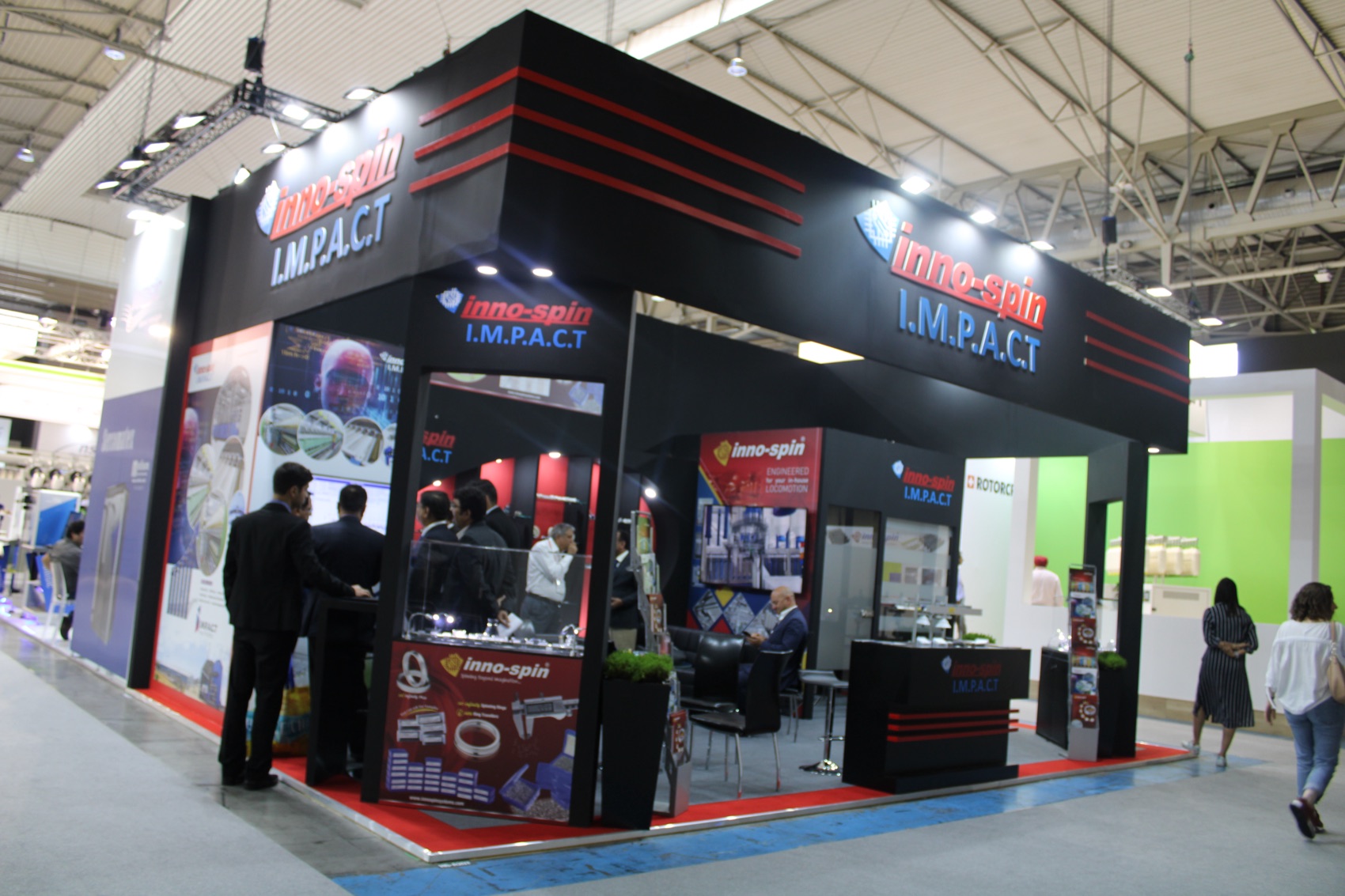
You will usually find us at the major textile exhibitions, showing the hardware and talking through layouts with mill teams in person.
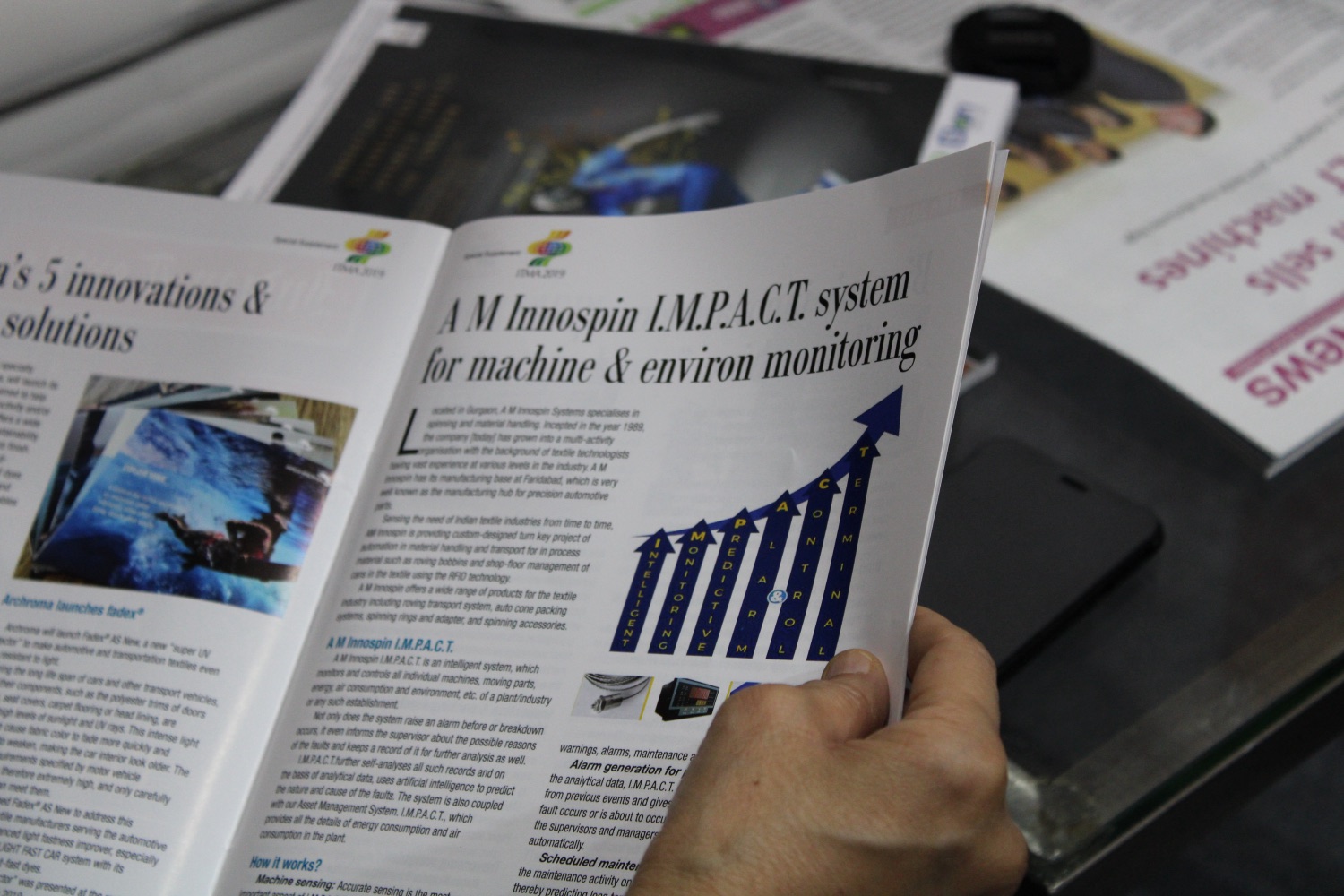
Our systems have also been featured in the textile industry press.
What we hold to.
Engineering first
Every recommendation we make comes from production mathematics: spindle counts, doffing cycles, creel depletion times. We do not sell systems; we specify them.
Built for Indian mills
Indian spinning mills have layout constraints, power fluctuations, and labour economics that differ from European benchmarks. Our systems are designed for this reality, not imported from it.
Installed, not delivered
We commission on site rather than hand over at the gate. Our engineers manage installation, commissioning and operator training, and we return for any issue afterward.
Direct from the engineer
When a production manager calls inno-spin, they speak to an engineer, not a sales agent. That has been our policy from the beginning and it will remain so.
Speak to an engineer about your mill.
Whether you are planning a new installation or evaluating an upgrade to an existing system, our team will review your mill layout and give you a frank technical assessment.